Autonomous Trolling Motor
Fall 2025-Present
Overview
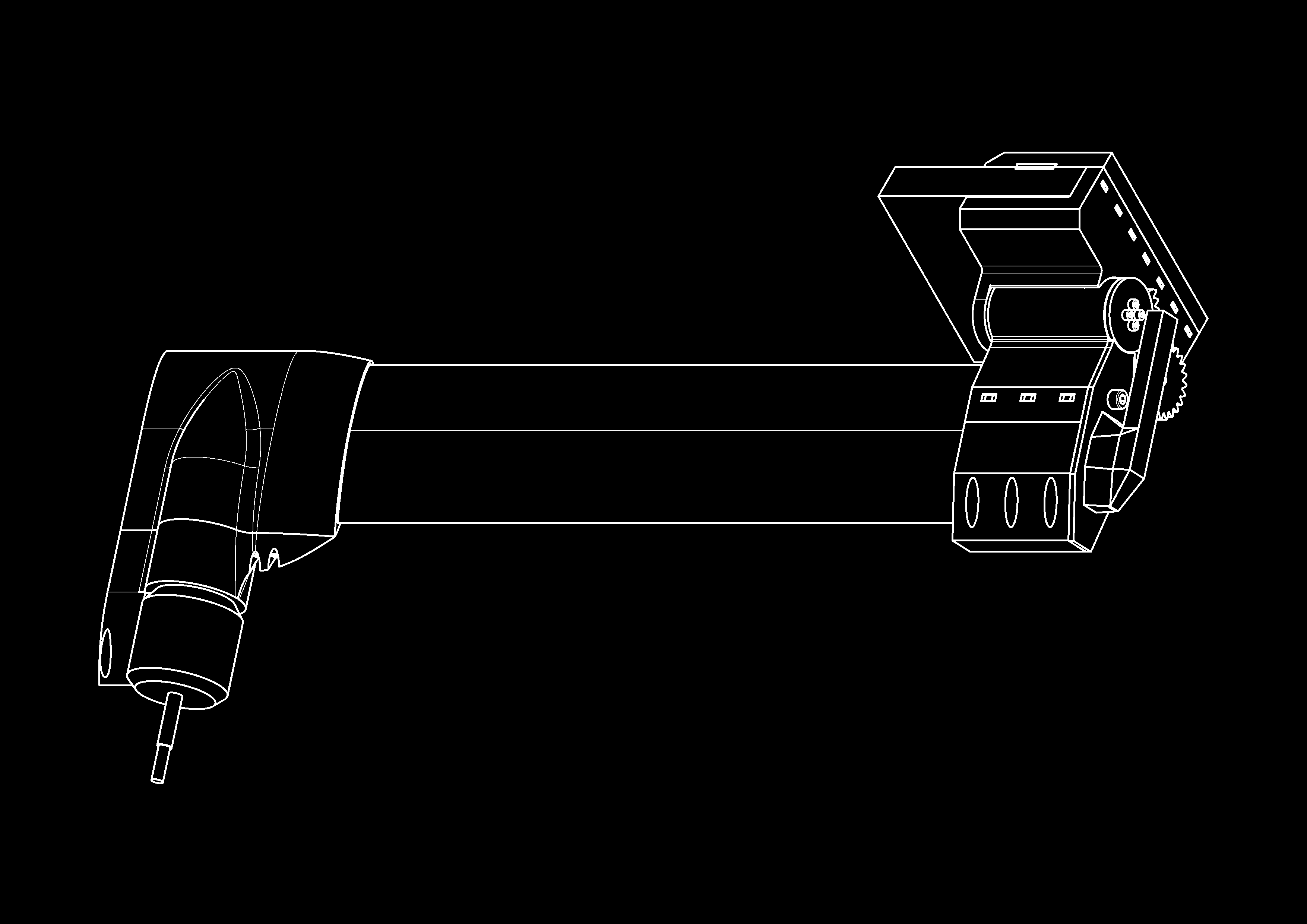
This project is the design and fabrication of a trolling motor
for the Sea Eagle SE9 inflatable boat. It uses a Flipsky
powertrain and Pixhawk/ArduPilot control systems to allow
autonomous navigation, with steering controlled with a Hitec
waterproof servo. The design is intended to initially rely on
GPS/inertial navigation, with the possibility of incorporating
vision-based systems in the future.
Goals
-
Design and fabricate a custom trolling motor, based on Flipsky
BLDC hardware and a Pixhawk/ArduPilot control stack.
-
Perform hydrodynamic analysis to validate design choices and
basic structural integrity.
-
Integrate GPS, inertial, and/or vision-based navigation
systems with control hardware to allow autonomous waypoint
following.
FIG. 01 / TROLLING MOTOR ASSEMBLY
Status
- Mast, motor mount, and boat mount designed and fabricated
- Electronics enclosure design in progress
-
Electronics testing nearly complete, only missing basic servo
checkouts
- Drag simulation in ANSYS Fluent complete
-
Full integration testing awaiting temperatures below 100 °F
Forged Carbon Fiber
Summer 2026-Present
Overview
This project documents the process of learning
compression-molded carbon fiber, from fundamental techniques
into practical application. It began with simple, low-stress
parts and will expand to more complex geometries and dynamically
loaded components.
Goals
-
Learn the fundamentals of forged carbon fiber design and
fabrication
-
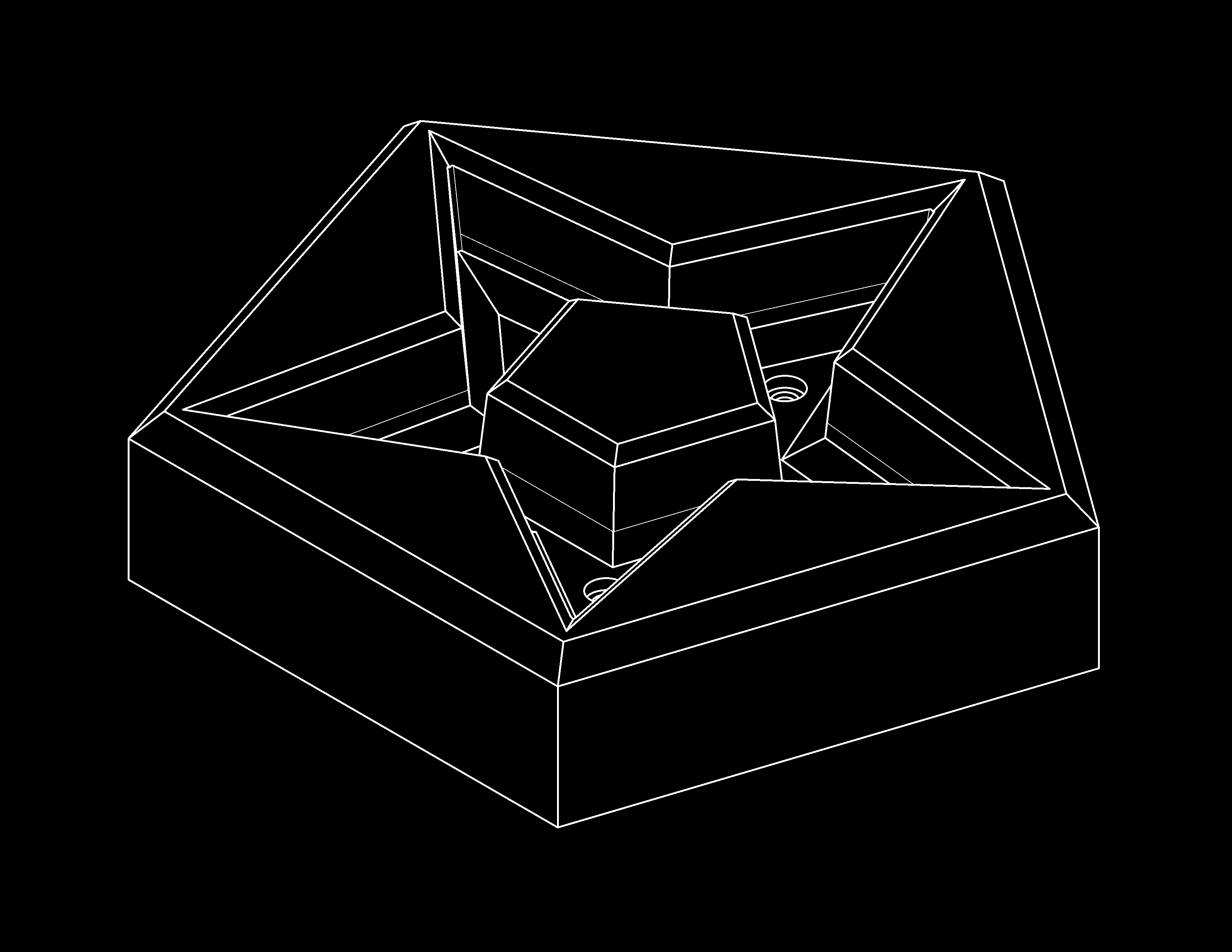
Design and build a custom FPV drone frame as a replacement for
the Kayoumini 2.5
-
Utilize Autodesk Fusion simulation to optimize geometry for
minimum weight
-
Perform aerodynamic analysis, ensuring good airflow and
minimizing unnecessary drag
-
Perform real-world flight and impact testing to validate
improved performance versus the baseline
FIG. 02 / FORGED CARBON FRAME
Status
- Forged carbon fiber support equipment procured and tested
- Several practice forged parts designed and fabricated
- Initial frame design studies performed
FPV Quads
Fall 2024-Present
Overview
This project covers the design, construction, and operation of
FPV quadcopters across several size classes, from 75 mm micro
quads to 5" freestyle builds. It has involved selecting and
integrating flight electronics, propulsion systems, video
hardware, and radio control equipment, along with tuning and
flight testing. Ongoing work includes applying this experience
to the design and fabrication of a custom FPV frame.
Goals
-
Learn the fundamentals of quadcopter design and controls
-
Apply these fundamentals to the construction and flight of
several FPV drones
-
Practice and build experience in flight and with ground
operations/safety
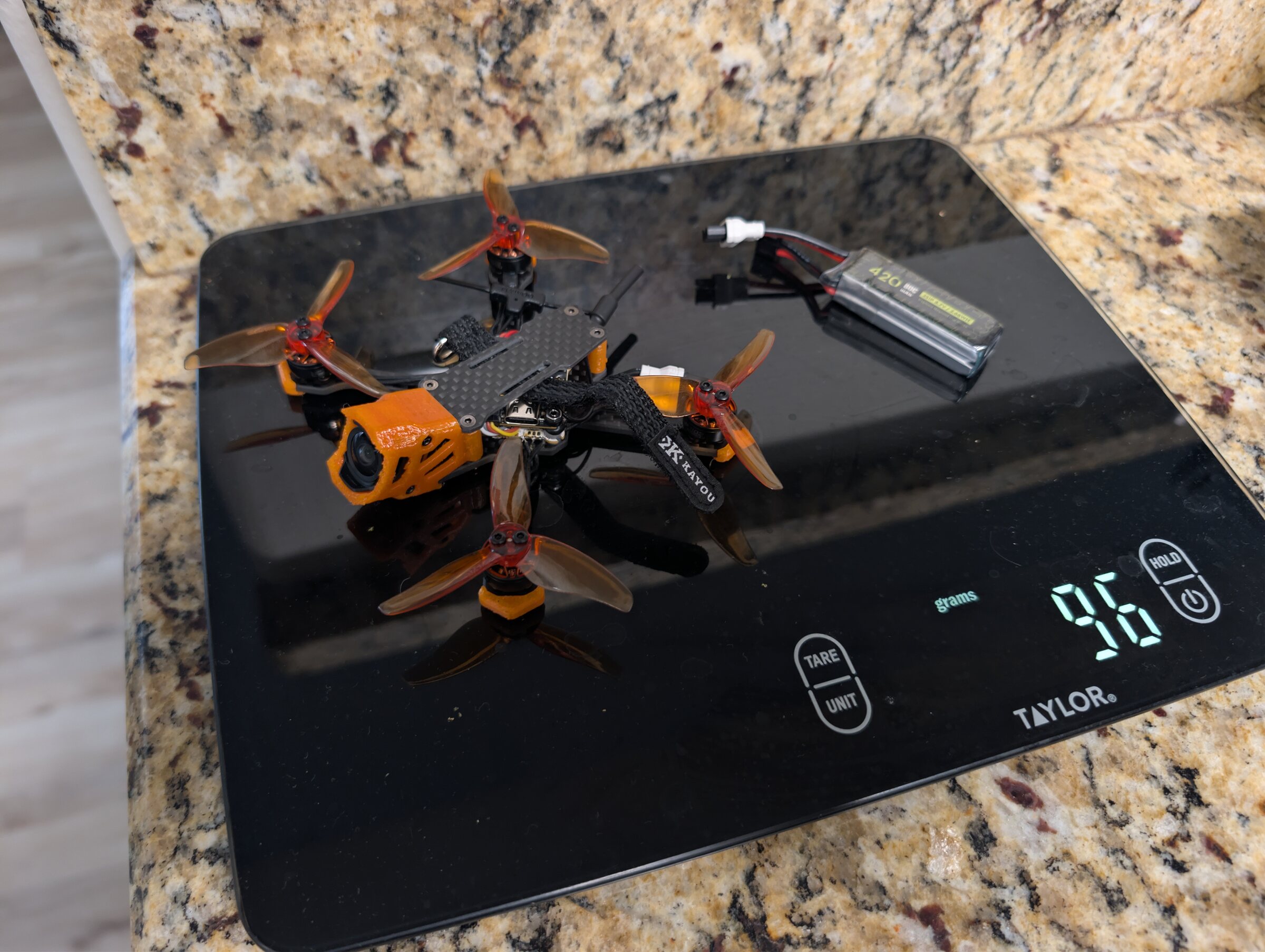
FIG. 03 / FPV QUADCOPTER
Status
-
Quads of various sizes (5", 2.5", 75mm) built and
tested
- Hundreds of hours of simulator flight experience
- Dozens of hours of flight experience
- Custom frame design in progress